OUR STORY

At the heart of
Search Talents is
the employer.

Because this story began with a hiring challenge that many businesses know too well.

About two years ago, hiring was happening regularly through major recruitment platforms. Candidate attraction was not the challenge. A single job advertisement could generate approximately 500–600 applications.


A small-business hiring manager overwhelmed by applicant volume

On paper, that looked like a strong recruitment outcome.

A healthy applicant pool, apparent candidate choice, plenty of experience to evaluate.

But high applicant volume is only valuable when the hiring team has the capacity to convert it into a confident selection decision.

That was the disconnect.

500–600Applications arrive
A lean-team hiring manager reviewing applications alongside his day-to-day work

Hiring rarely happens in isolation.

When recruitment sits with a lean team, the hiring manager is rarely “just hiring”. They are also running operations, managing staff, responding to customers, handling budgets and making day-to-day business decisions.

So the applicant pool kept growing — while screening capacity did not.

The shortlist looked right.
The interviews told a different story.

The candidates who made it through looked strong on paper. Their CVs were polished, the experience appeared relevant and the role fit seemed obvious at first glance.

But once conversations began, things became less certain. Some candidates interviewed differently than expected. Some looked stronger on paper than in practice. And some of the signals that mattered most only appeared much later in the process.

On Paper

Relevant experience

Strong CV

Matches key skills

Looks like a fit

In Interview

?Different to expectations

?Unclear on key areas

?Role fit concerns

?Missing key signals

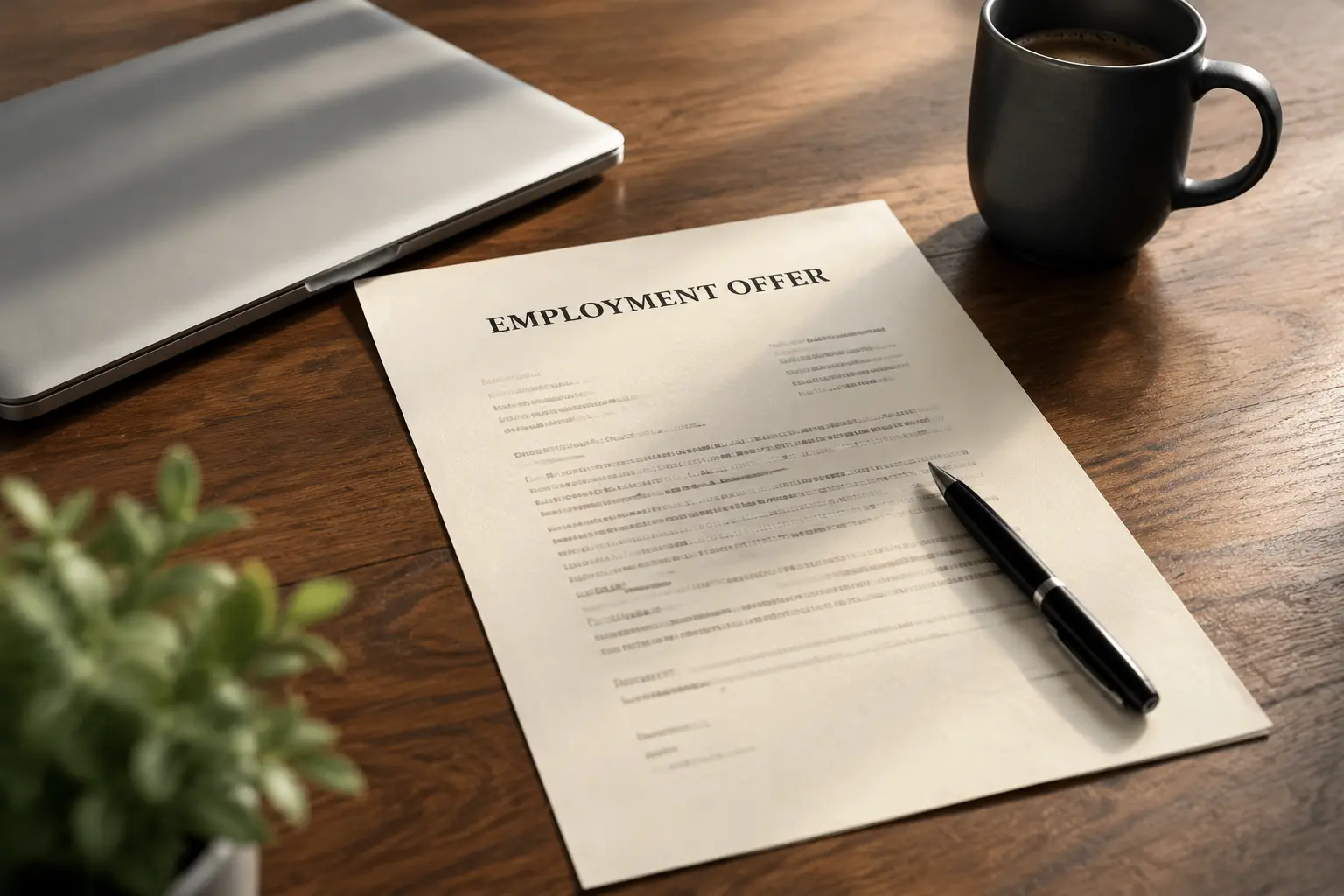
An employment offer on a manager's desk

A hire was made. A month later, they left.

Eventually, the vacancy was filled. There was relief in that moment — the role had been filled, the process was over and attention could return to running the business.

But about a month later, the employee left.

And suddenly, all the effort that had gone into sourcing, screening, shortlisting and interviewing led straight back to the beginning.

That’s when the real questions started.

Was the wrong person selected? Was the right person buried deeper in the applicant pool? Had the process relied too heavily on CV presentation? Had the strongest candidate signal emerged too late?

What started as one hiring experience began to look like a much larger employer problem.

?Did we miss the right fit?
?Did applicant volume distort screening?
?Was the shortlist really the strongest one?
?Did we rely too much on the CV?
See how we work